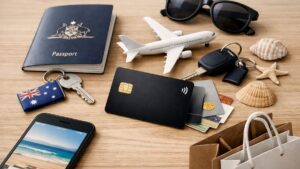
Travelling internationally often brings a blend of excitement and logistical challenges, especially when it comes to managing money. Credit cards have become a popular financial tool for overseas trips, but their use abroad is accompanied by distinct advantages and drawbacks. Understanding both sides can help travellers make informed choices and avoid unnecessary fees or inconveniences.
While credit cards offer convenience and security, they can also introduce complexities such as foreign transaction fees and potential fraud risks. This article delves deeply into the pros and cons of using credit cards abroad, focusing on practical considerations and financial implications relevant to Australian travellers.
Advantages of Using Credit Cards Overseas
Convenience and Wide Acceptance
One of the most significant benefits of using credit cards abroad is their broad acceptance in many countries and establishments. Payment terminals generally accommodate major card networks, enabling travellers to make purchases, book accommodations, and even hire vehicles without carrying large amounts of cash. This convenience reduces the need to constantly exchange currency and simplifies transactions.
Moreover, credit cards allow seamless online payments for booking flights and accommodations before departure, ensuring less hassle on arrival. Their instantaneous approval during purchases often speeds up transactions compared to cash handling or travellers cheques, which can be cumbersome and outdated.
Enhanced Security Features
Credit cards offer several security mechanisms that safeguard users against fraud and theft. In case of a lost or stolen card, travellers can quickly report and block access, preventing unauthorised transactions. Many banks also provide zero-liability policies for fraudulent activities, meaning cardholders are not responsible for charges they did not make.
Additionally, credit cards employ encryption and tokenisation technologies during transactions, adding layers of protection. The ability to monitor transactions via mobile banking apps further empowers users to detect suspicious spending quickly, something not possible with cash payments.
Potential Drawbacks of Using Credit Cards Abroad
Foreign Transaction Fees and Currency Conversion
Despite their convenience, credit cards can come with hidden costs when used internationally. Many issuers charge foreign transaction fees, typically around 2-3% per purchase made in a different currency. Over the course of a trip, these fees can accumulate substantially, reducing the value of savings made by using a card instead of cash.
Moreover, currency conversion rates applied by Mastercard, Visa, or the issuing bank may not always be favourable. These rates fluctuate daily and may deviate from the mid-market rates travellers might find online, resulting in unexpected costs. Some cards offer no foreign fees but require careful selection beforehand.
Potential for Increased Debt and Overspending
Using credit cards abroad can inadvertently encourage overspending, especially when travellers assume they’re not using ‘real’ money. This psychological distance from cash can lead to less budget control and higher balances to be repaid later. Interest charges on outstanding amounts accumulate rapidly if the cardholder does not pay off the balance promptly.
Additionally, currency fluctuations can affect repayment amounts, sometimes making the debt more expensive if the domestic currency weakens against the foreign currency. It is crucial to manage credit card usage prudently to avoid this financial trap.
Best Practices When Using Credit Cards While Travelling
Choosing the Right Credit Card
Selecting a credit card tailored for international travel is essential. Cards with no foreign transaction fees, travel rewards, and comprehensive travel insurance packages provide added value. Australian travellers should compare options from various banks, assessing interest rates, fees, and perks to match their travel patterns.
Moreover, cards with chip and PIN technology tend to be more widely accepted globally than those relying solely on magnetic stripes or signatures. Ensuring the card supports contactless payments can further speed up transactions in many countries.
Security Tips and Monitoring Usage
Travellers should notify their bank before leaving Australia to prevent unexpected card blocks due to suspicious overseas activity. Using secure internet connections when checking statements or making payments reduces the risk of data interception. Avoiding public Wi-Fi networks for sensitive transactions is strongly advised.
Regularly monitoring spending through mobile banking apps allows travellers to track expenses and spot unauthorised transactions quickly. Carrying a backup payment method and keeping card details separate can mitigate problems if a card is lost or stolen abroad.
Alternative Payment Options and When to Use Them
Using Cash and Prepaid Travel Cards
While credit cards offer many benefits, having some cash in the local currency is essential for small vendors, tips, or areas where electronic payments are unavailable. Prepaid travel cards also provide a controlled way to manage spending without incurring high credit card interest. These cards can be loaded with the desired amount and often have locked-in exchange rates.
However, travellers should be aware of possible fees on ATM withdrawals or card reloads and confirm card acceptance in their destination country. Balancing cash, prepaid cards, and credit cards creates a flexible and secure financial strategy abroad.
Mobile Payments and Emerging Technologies
Recently, mobile payment solutions such as Apple Pay or Google Pay have gained traction internationally, relying on stored credit card or bank details. They offer quick, contactless payments and can reduce direct card exposure. However, acceptance varies by country and merchant type, requiring travellers to have traditional card backups.
Familiarising oneself with local payment methods and technologies before travelling adds convenience and security. Some countries may favour QR code payments or e-wallets, which can be integrated with credit cards for seamless transactions.
Conclusion: Balancing Convenience with Caution
Using credit cards abroad undeniably streamlines financial management during travel, offering security, convenience, and acceptance worldwide. However, travellers must account for added costs, potential overspending, and the importance of selecting the right card for their needs. By combining careful planning and awareness, Australian travellers can maximise benefits and minimise risks associated with credit card use overseas.
Ultimately, a balanced approach – utilising credit cards alongside cash, prepaid options, and digital payments – provides flexibility and confidence when managing money internationally. Proper preparation ensures a smooth, enjoyable travel experience without unexpected financial surprises.