
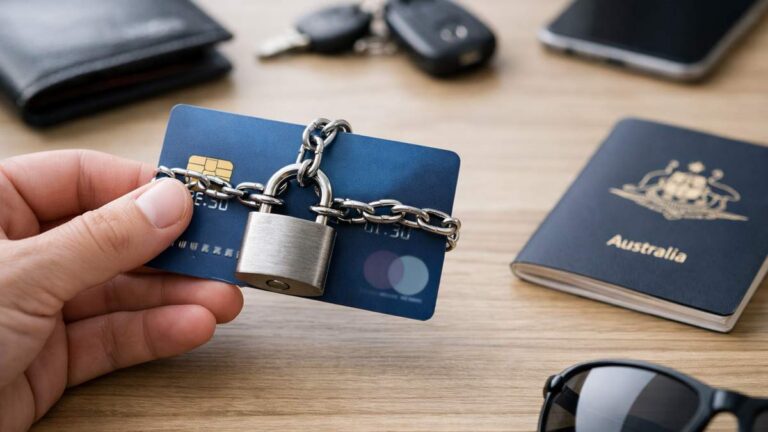
Credit cards have become an essential tool in personal finance, offering convenience and flexibility for everyday spending. However, this convenience also comes with risks such as fraud and theft, which can lead to significant financial loss and disruption. Understanding the specific threats and adopting targeted protective measures is crucial for anyone aiming to safeguard their financial information.
In Australia, as digital transactions increase, so do attempts by criminals to exploit weaknesses in credit card security. This article explores advanced strategies and technologies that consumers can utilise to bolster their credit card security beyond the conventional advice. Emphasising proactive and informed practices will empower users to confidently navigate their financial activities with greater peace of mind.
Understanding the Landscape of Credit Card Fraud
The first step to securing your credit card is recognising the varied forms fraud can take. Criminals employ a mix of high-tech and traditional methods to obtain card details, such as skimming devices, phishing scams, data breaches, and even physical theft. Each method requires distinct preventive approaches tailored to the specific risk.
With the rise of online shopping, card-not-present fraud has surged, where fraudsters make unauthorised purchases without needing the physical card. This shift underscores the importance of vigilance in how and where credit card information is shared, as well as the use of secure online platforms and payment gateways.
The Role of Data Breaches in Credit Card Theft
Data breaches at retailers and service providers can compromise millions of credit card records at once. Consumers often remain unaware their information has been exposed until fraudulent activity appears on their statement. Monitoring the news for data breach reports and enrolling in notification services can help cardholders act quickly to mitigate damage.
Using virtual credit card numbers, where banks provide temporary card details for online purchases, is an effective way to limit exposure from breaches. This method prevents a stolen number from being reused, adding a critical layer of protection in the increasingly digital payment ecosystem.
Physical Theft and Skimming: Risks Beyond the Digital Sphere
Despite digital threats, physical theft remains a significant concern. Losing a card or having it stolen can lead to immediate fraudulent charges if security measures are lacking. Skimming devices attached to ATMs or point-of-sale terminals covertly capture card information, allowing criminals to clone cards.
Regularly inspecting ATMs before use and covering the keypad when entering your PIN are small but effective habits. Additionally, choosing contactless payments, which limit physical card handling, reduces chances of card cloning without sacrificing convenience.
Proactive Measures to Secure Your Credit Card
Effective credit card security hinges on both technology adoption and user behaviour. Beyond memorising PINs and never sharing card details, consumers should leverage modern features and maintain strict control over their card’s usage. Developing a layered defence reduces vulnerability significantly.
For instance, enabling transaction alerts sends immediate notifications for purchases, allowing prompt detection of unauthorised use. Setting spending limits and using cards solely on trusted websites further diminishes risk. Additionally, regularly updating passwords connected to your financial accounts prevents unauthorised access.
Two-Factor Authentication and Biometric Security
Many financial institutions now offer two-factor authentication (2FA) for online account access, adding a second verification step such as an SMS code or biometric confirmation. Integrating biometrics like fingerprint or facial recognition for app access heightens security against identity theft and unauthorised transactions.
Adopting apps provided by your bank or card issuer that facilitate 2FA and biometrics ensures a more robust fortress around your card management. These technologies make it exponentially harder for criminals to compromise accounts remotely.
Secure Online Shopping Practices
When shopping online, always look for secure website indicators, such as URLs starting with “https” and a padlock icon. Avoid making purchases over public Wi-Fi networks, which are vulnerable to interception. Using trusted digital wallets that tokenize card information can also shield your details from merchants and third parties.
Regularly reviewing statements for unfamiliar charges and disputing them promptly with your financial institution is imperative. Maintaining detailed records of transactions and receipts facilitates faster resolution should fraudulent activity arise.
Responding Effectively to Suspected Fraud
Even the most stringent precautions cannot guarantee absolute immunity from credit card fraud. When suspicious activity is detected, swift and informed action is necessary to minimise financial and emotional impact. Knowing the correct steps prepares cardholders to act decisively.
Immediately reporting the issue to your card issuer and requesting a card freeze or replacement limits further unauthorised charges. Documentation is key; keeping correspondence and notes about conversations can aid in dispute processes. Following the issuer’s instructions reduces the chances of long-term negative consequences.
Legal Rights and Consumer Protections
Australian consumers benefit from laws and regulations that protect them from liability for fraudulent credit card charges, provided they report the fraud timely. The ePayments Code outlines obligations for card issuers and sets standards for dispute resolution, granting reassurance to users.
Understanding these protections enables informed engagement with financial institutions and consumer advocates. Being proactive in exercising your rights enhances overall security and fosters trust in the payment system.
Building Long-Term Credit Card Security Habits
Ultimately, the key to securing your credit card lies in cultivating consistent security-minded habits. Staying alert to evolving scams, regularly educating yourself about new fraud techniques, and continuously updating your defensive measures create a resilient financial posture.
By integrating these behaviours into daily routines, users build a layered defence that evolves alongside emerging threats. This commitment to ongoing vigilance is the most effective insurance against credit card fraud and theft in Australia.
Emerging Technologies Shaping Future Credit Card Security
The future of credit card security promises even more sophisticated tools aimed at preempting fraud attempts. Blockchain technology, artificial intelligence, and advanced behavioural analytics are fields currently enhancing fraud detection and prevention capabilities.
Card issuers increasingly deploy machine learning algorithms that analyse transaction patterns in real-time and flag anomalies for immediate review. Such innovations greatly reduce false positives while accelerating response to genuine threats, marking a new era in credit card security management.
Consumers should remain informed about upcoming tools and features offered by their banks to take advantage of these advancements early. Early adoption can provide added peace of mind in an increasingly complex financial environment.
Moreover, biometric sensors embedded in cards themselves, such as fingerprint recognition, are under development to secure physical card usage at purchase points. This approach promises to make theft and cloning vastly more difficult, providing a tangible boost to everyday card safety.