
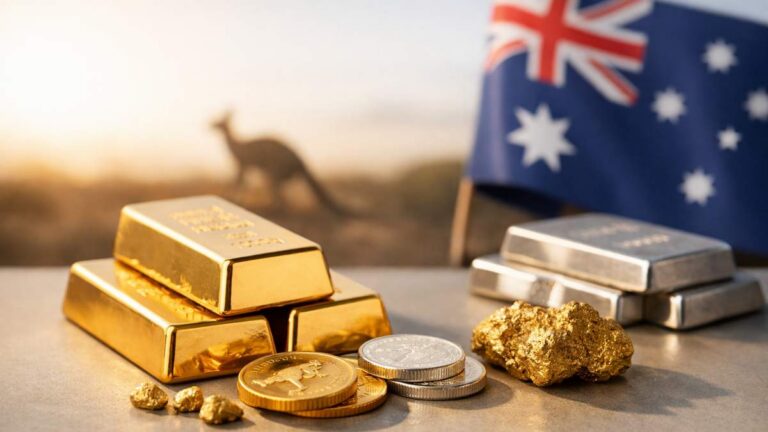
Investments in gold and precious metals have long been revered as reliable hedges against economic uncertainty. In volatile markets, these assets often attract investors seeking to safeguard their wealth from inflation, currency fluctuations, and geopolitical tensions. However, the perception of these metals as unequivocal safe havens deserves a closer examination, as their price dynamics can be influenced by a myriad of factors beyond simple market fears.
While the allure of tangible assets like gold, silver, platinum, and palladium persists, discerning investors must balance the myths of stability against actual market volatility. Understanding the nuanced behaviour of precious metals investments is paramount to crafting a balanced portfolio aligned with both risk tolerance and long-term financial goals.
The Historical Context and Appeal of Precious Metals
Historically, gold and other precious metals have been utilised as mediums of exchange and stores of value for centuries. Their intrinsic scarcity and universally recognised worth underpin their role in economics and culture alike. Many turn to these metals during times of monetary instability, viewing them as refuges that maintain purchasing power when fiat currencies falter.
The distinctive properties of precious metals, including divisibility, durability, and transportability, have endorsed their use in jewellery, technology, and investment vehicles. Notably, gold’s relationship with central banks and governments as a reserve asset further amplifies its perceived reliability during financial crises.
The appeal of such metals extends beyond just their physical characteristics; psychological factors play a significant role. The collective memory of past financial collapses fuels demand for these assets, embedding them deeply into investment strategies seeking protection against systemic risk. Consequently, their historical legacy forms a foundational pillar for investors’ confidence.
Market Volatility: Unveiling the Myths of Stability
Despite their reputation as safe havens, precious metals can exhibit significant price volatility influenced by supply-demand imbalances, speculative activity, and macroeconomic trends. For instance, shifts in industrial demand for silver and palladium can create sudden price fluctuations, challenging the notion of consistent stability.
Moreover, geopolitical developments, monetary policy decisions, and currency movements often dictate the metals’ asset flows. During periods of rising interest rates or strong US dollar performance, gold prices frequently face downward pressure, highlighting susceptibility to external economic factors that may contradict the safe-haven label.
Investment instruments linked to precious metals, such as exchange-traded funds (ETFs) and futures contracts, may also amplify volatility due to leveraged positions and market liquidity considerations. These dynamics underscore the need for investors to approach metals with a sophisticated understanding of their complex market environments.
The Impact of Macroeconomic Indicators
Interest rates, inflation expectations, and fiscal policies are critical macroeconomic indicators influencing precious metals’ investment appeal. For example, during high inflation phases, gold often becomes more attractive as a store of value, yet rapid increases in bond yields can diminish its desirability by increasing opportunity costs.
Additionally, currency fluctuations, particularly in relation to the US dollar, play a pivotal role. Since gold is typically priced in dollars, a strengthening greenback often translates into lower gold prices for holders of other currencies, introducing an additional layer of complexity for Australasian investors.
Strategies for Incorporating Precious Metals into Investment Portfolios
Incorporating precious metals into investment portfolios requires a strategic approach that balances exposure with overall asset allocation goals. Diversification benefits are clear, but the timing, method, and proportion of metals invested demand careful consideration to mitigate inherent risks.
Common investment routes include physical bullion purchases, mining company stocks, ETFs, and futures contracts, each with distinct risk-return profiles. Physical metal offers direct ownership and protection from counterparty risk, whereas mining equities provide leverage to metal price movements but come with operational risks.
Investors should assess liquidity requirements, storage costs, and tax implications when selecting their preferred investment vehicle. For instance, purchasing physical gold in Australia involves considerations relating to assay fees and secure storage solutions, which can impact net returns.
Balancing Risk and Reward through Tactical Allocation
Allocating a modest portion of a portfolio to precious metals can enhance diversification and provide a hedge against financial turmoil. However, overexposure risks diminishing returns during bull markets dominated by equities and bonds. Financial advisors commonly recommend allocations between 5% to 15% depending on individual risk profiles.
Regular portfolio reviews are essential, ensuring that metal investments remain aligned with shifting economic landscapes and personal financial goals. Tactical rebalancing allows investors to capitalise on periods of relative strength or mitigate losses during downturns without abandoning long-term strategic objectives.
Future Outlook: Navigating Investments amid Changing Global Dynamics
Looking ahead to 2026 and beyond, investments in gold and precious metals will continue to be shaped by evolving global factors. Emerging markets’ growing demand, technological advancements in extraction, and shifting energy policies may redefine supply dynamics, influencing price behaviour unpredictably.
Environmental, social, and governance (ESG) considerations are increasingly pertinent in mining operations, affecting investor sentiment and regulatory frameworks. Ethical sourcing and sustainability concerns could impact availability and costs, thereby affecting investment valuations in this sector.
Furthermore, central banks’ policies and geopolitical tensions remain crucial variables affecting metals as investment vehicles. As global economies undergo transitions, these metals may oscillate between roles of safe haven and speculative asset, reinforcing the need for thorough risk management.
Innovations in financial products and digital assets tied to precious metals might also introduce new pathways and complexities for investors. Staying informed about market trends and technological disruptions will be essential for maintaining an advantage in this evolving investment landscape.
In conclusion, investments in gold and precious metals embody a multifaceted proposition. They offer potential as safe havens during market turbulence but are not immune to volatility. A nuanced comprehension of these assets’ historical context, market dynamics, and strategic application within diversified portfolios empowers investors to harness their benefits effectively while navigating inherent risks.