
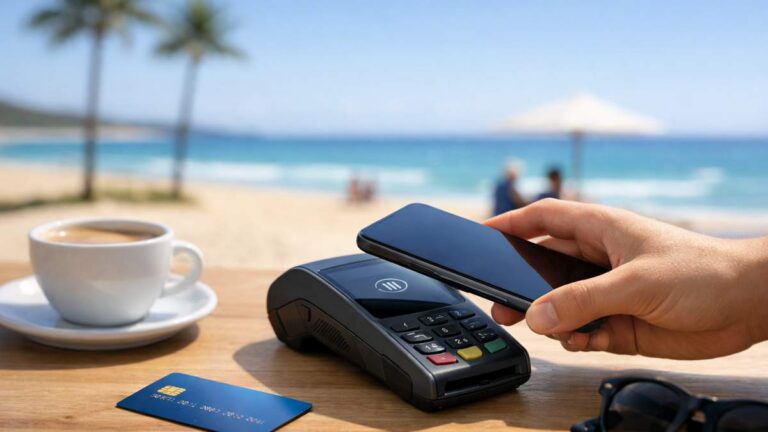
In recent years, the financial landscape has witnessed a significant shift due to the rise of contactless payment technologies. These innovations have transformed the way consumers interact with their credit cards, fostering a faster, more secure, and convenient transaction process. This article explores the evolving relationship between contactless payments and credit card usage, shedding light on its impact on both users and the wider banking industry.
Understanding the implications of contactless technology is essential for anyone interested in financial trends or credit card behaviour. As more Australians adopt contactless payments, their habits and preferences around credit card spending are evolving, prompting changes in payment security, merchant infrastructure, and consumer engagement strategies. Delve into how these developments are reshaping credit card utilisation across Australia and beyond.
The Evolution of Contactless Payment Technology
Contactless payment methods began with Near Field Communication (NFC) technology, enabling credit cards to communicate wirelessly with payment terminals. This technology eliminates the need to physically swipe or insert cards, speeding up everyday transactions. The convenience offered has been a primary driver of increased credit card usage in retail and service environments.
Australian banks and financial institutions have aggressively adopted this technology, encouraging widespread cardholder participation. The ease of tapping the card or a connected device allows users to make purchases swiftly, which is particularly beneficial in high-traffic situations such as public transport and food outlets. This swift payment experience enhances the attractiveness of credit cards compared to traditional cash transactions.
Additionally, contactless payments support a wide variety of devices, including smartwatches and smartphones, which further integrates credit cards into consumers’ daily lives. This proliferation has led to a more digital-centric economic environment where credit card usage is no longer tied solely to plastic cards but extends to diverse digital wallets and payment apps, broadening opportunities for usage and acceptance.
Providers continue innovating to improve the reliability and convenience of contactless payments. For example, the introduction of biometric authentication and tokenisation enhances security without compromising the speed of transactions. These technological strides contribute to increasing consumer confidence in contactless credit card payments.
Security Implications of Contactless Credit Card Payments
Understanding Enhanced Security Measures
Despite initial concerns about fraud risks, contactless credit card payments incorporate robust security features. Tokenisation is a key method where real card details are replaced with unique tokens during transactions, minimizing the risk of data theft. This process adds a layer of protection unachievable in traditional magnetic stripe swipes.
Furthermore, card issuers often enforce limits on contactless transaction amounts, requiring PIN entry for purchases exceeding those limits. This approach balances convenience with fraud prevention, reassuring users about transactional security. Ongoing advancements in encryption standards also play a crucial role in defending against emerging cyber threats.
Mitigating Fraud and Theft Risks
While the convenience of contactless payments is undeniable, users should remain vigilant. Physical card loss or theft can potentially allow unauthorised tap payments up to a certain limit. Australian consumers are advised to register their cards and promptly report any suspicious activity, enabling banks to act swiftly to freeze or cancel compromised cards.
Improved transaction monitoring systems powered by artificial intelligence help banks detect unusual spending patterns quickly, further safeguarding users. Combined with user education on secure payment practices, these protective measures contribute to a safer contactless credit card environment, enhancing public trust and usage.
Changing Consumer Behaviour and Spending Patterns
Increased Spending Frequency and Small Transactions
The convenience of contactless technology encourages consumers to make more frequent, smaller transactions using their credit cards. In Australia, this shift is evident in the rise of tap-and-go payments for everyday items like coffee, groceries, and public transport fares. This behavioural change supports increased credit card turnover and contributes positively to credit providers’ revenue streams.
Moreover, the psychological ease of contactless payments reduces friction related to cash handling and mental accounting, often encouraging discretionary spending. Understanding this shift helps credit card issuers design targeted rewards and incentives that align with these micro-spending habits, fostering loyalty and increased card utilisation.
Impact on Credit Limits and Repayment Habits
As contactless payments promote more frequent use of credit cards, cardholders may approach their credit limits differently. Some may find themselves closer to their borrowing capacity quicker, which affects repayment strategies and credit management. Lenders are adapting by offering flexible credit options and educational tools to assist responsible usage.
Additionally, digital account management apps provide real-time notifications and spending summaries tailored to contactless payment trends, empowering users to monitor and control their finances effectively. These tools contribute to a more informed and proactive approach to credit card management in the context of growing contactless adoption.
The Future of Credit Cards in a Contactless World
The trajectory of contactless payment technology suggests an ongoing transformation of credit card usage. With continual improvements in mobile payment systems and interoperability, consumers are likely to experience increasingly seamless transactions across multiple retail environments. Credit card providers must innovate continually to stay relevant and secure in this evolving market.
Emerging trends such as biometric cards, blockchain-based payment methods, and integration with Internet of Things (IoT) devices indicate that contactless usage will expand beyond current boundaries. Financial institutions that embrace these innovations while maintaining strict security protocols will lead in shaping the future experience of credit card users.
Overall, contactless payments have not only redefined convenience but also introduced new dynamics in consumer financial behaviour. Embracing these changes allows credit card users to enjoy enhanced service quality and greater flexibility, marking a notable milestone in the evolution of payment technologies.